Research from Lawrence Berkeley National Laboratory (LBNL) and other institutions continues to build understanding of how data center water consumption varies based on cooling architecture, climate, facility design, and workload. The findings confirm that there is no single answer to the question of "how much water do data centers use" — the variation is dramatic.
LBNL research has found that air-cooled facilities can reduce operational water use by over 90% compared to traditional evaporative cooling systems in many climates. However, water consumption still varies widely depending on facility location, design, and operating conditions, and no single cooling approach is optimal for every situation.
Cooling Technology Matters
The research examined facilities using evaporative cooling, air cooling, hybrid cooling, and closed-loop systems across multiple climate zones. Key findings include: air-cooled facilities showed the lowest operational water use in most climates; hybrid systems offered a middle ground, reducing water use while maintaining cooling efficiency in hot climates; and closed-loop systems that reuse water significantly reduced consumption compared to once-through systems.
Importantly, the research notes that water-efficient cooling technologies may involve tradeoffs, including higher energy consumption in some configurations. Facility design should consider both water and energy performance together rather than optimizing for one at the expense of the other.
The Scale of Water Use
According to LBNL data, U.S. data centers consumed approximately 17 billion gallons of water directly for cooling in 2023. Projections suggest this could increase significantly by 2028 as more facilities come online. However, these projections vary based on expected developments in processing and cooling technologies, as well as construction and demand for data center services.
Research indicates that up to 85% of the water data centers use evaporates and does not return to the water supply. This "consumptive" use is distinct from "withdrawal" — the total amount of water drawn from a source — and is a key metric for understanding environmental impact.
Berkeley Lab's Own Efficiency Efforts
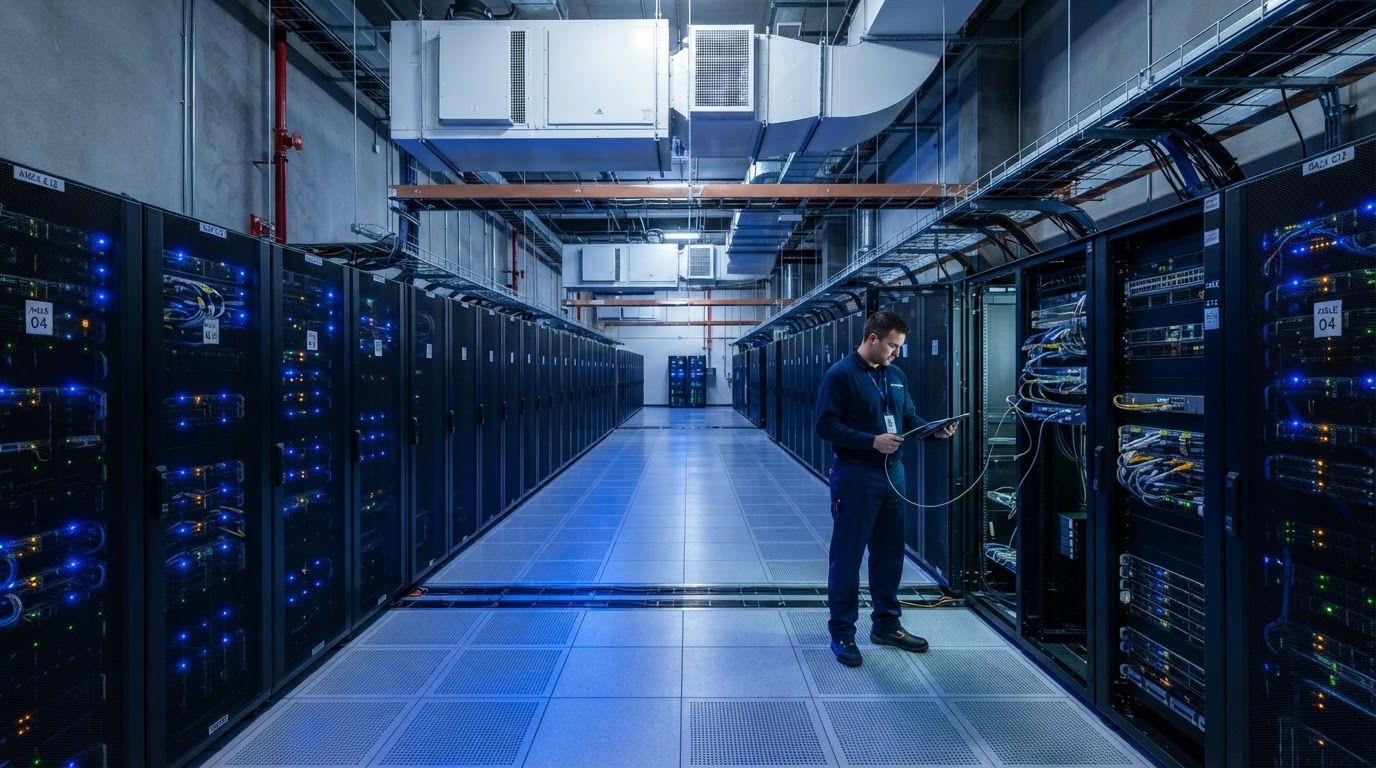
Berkeley Lab's own National Energy Research Scientific Computing Center (NERSC) demonstrates what advanced cooling can achieve. NERSC's Perlmutter system and the upcoming Doudna system use liquid, direct-to-chip cooling combined with ambient air cooling. A two-year effort at the NERSC facility reduced non-IT power consumption by 42%, saving over 2 million kWh of electricity and a half million gallons of water annually, reducing utility bills by approximately $200,000 per year.
These real-world results demonstrate that modern cooling technologies can substantially change water and energy requirements — but also that implementing them requires significant investment and engineering expertise.
What This Means for Communities
Water use has become one of the most significant community concerns around data center development. The research provides a factual basis for understanding how cooling technology choices affect water consumption and can help communities, developers, and policymakers have more informed conversations.
ADIC encourages developers to disclose cooling technology selections and projected water consumption as part of community engagement, and supports research that improves public understanding of these issues. Communities should ask developers specific questions about cooling architecture, projected water consumption, and water source — and developers should be prepared to answer them clearly.