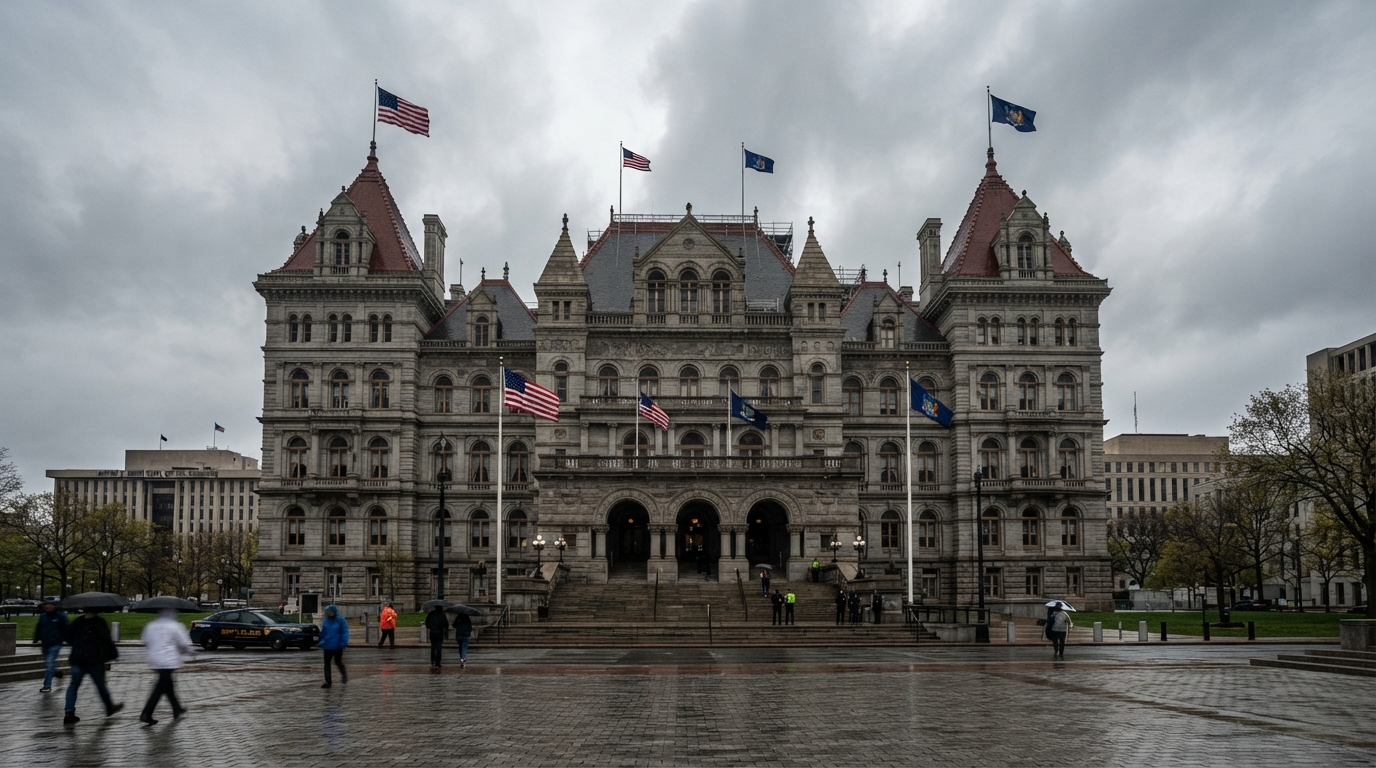
On July 14, 2026, New York Governor Kathy Hochul issued Executive Order No. 62, imposing the nation's first statewide moratorium on the construction of new hyperscale data centers. The pause, lasting up to one year, applies to facilities with loads of 50 megawatts or greater and suspends the issuance of discretionary state-level environmental permits.
The executive order directs the Department of Environmental Conservation (DEC) to not issue any discretionary permits that are not already deemed complete. During the moratorium period, the state will develop a Generic Environmental Impact Statement (GEIS) to assess the potential environmental impacts of data center construction and operation, including effects on energy demand, water use and quality, and air quality.
Why New York Paused
Governor Hochul's office stated that the moratorium is intended to ensure New Yorkers are not paying for transmission and infrastructure buildouts driven by data center development. "Here in New York, we will not burden our communities with rising utility costs and have them put their hard-earned taxpayer dollars toward massive data centers that aren't ready to prioritize their future," Hochul said.
The announcement followed action by the New York State Legislature, which passed its own moratorium bill defining "hyperscale" facilities as those with a peak load of more than 20 megawatts. The legislative and executive actions reflect growing concern in New York about the pace of data center proposals, particularly in Western New York.
A National Model?
New York's statewide moratorium is the first of its kind, but policymakers nationwide are confronting many of the same challenges associated with rapidly growing AI infrastructure. Elements of Executive Order No. 62, including cost allocation requirements, environmental review standards, and large-load planning frameworks, could influence future state legislation and regulation.
The moratorium also highlights a broader tension: states that pause data center development risk losing private investment, jobs, and tax revenue to competing states. The Data Center Coalition, an industry trade group, argued that New York's moratorium "overlooks the role of data centers in attracting robust supply chain investments and jobs" and will "send a signal that the state is closed for business."
What Comes Next
Once the state finalizes its environmental standards through the GEIS process, the moratorium will be lifted, allowing new data center projects to proceed as long as they comply with state standards, local zoning codes, and other local approvals. The framework will also include a formula to help communities assess where to begin investment negotiations with developers.
ADIC supports proactive planning over reactive moratoriums. States and communities that develop clear, forward-looking standards for digital infrastructure are better positioned to attract responsible development while addressing community concerns. However, ADIC also recognizes that temporary pauses can provide valuable time for planning when used constructively.