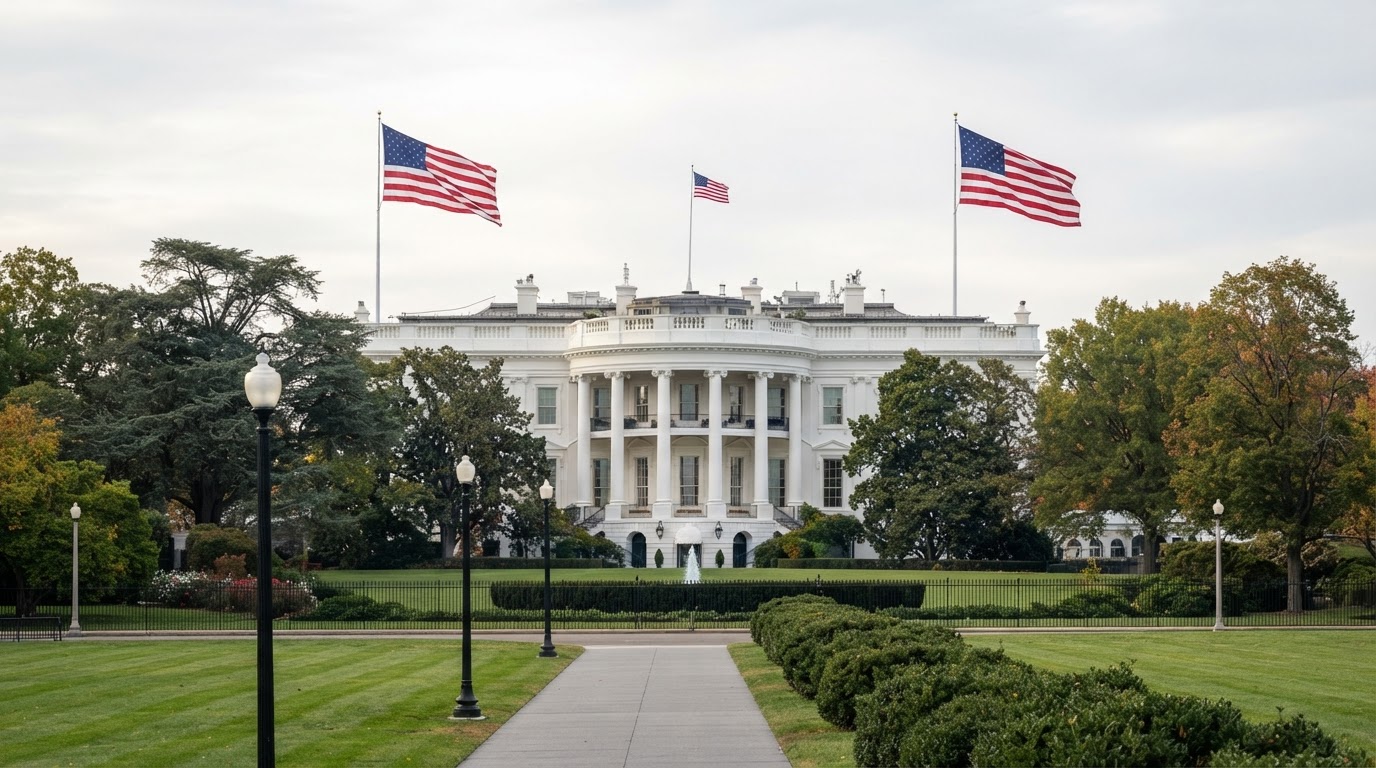
On March 4, 2026, President Donald Trump convened seven leading AI companies and hyperscalers at the White House to sign the Ratepayer Protection Pledge, a voluntary commitment to ensure American households do not bear increased electricity costs due to data center expansion. The pledge represents one of the most significant federal policy actions directly addressing the intersection of data center growth and energy affordability.
The pledge calls on leading U.S. hyperscalers and AI companies to "build, bring, or buy all of the energy needed for building and operating data centers, paying the full cost of their energy and infrastructure, no matter what." Companies that signed the pledge committed to protecting American consumers from price hikes tied to data center energy and infrastructure requirements.
What the Pledge Requires
Under the Ratepayer Protection Pledge, participating companies agree to: pay the full cost of energy and infrastructure needed to build and operate their data centers; protect American consumers from electricity price increases caused by data center energy demands; and lower electricity costs for consumers in the long term through infrastructure investment and efficiency.
The pledge is voluntary, not legally binding, and does not create a regulatory framework. However, it establishes a federal policy direction that aligns with growing state and local efforts to ensure that large digital infrastructure loads do not shift costs onto existing ratepayers.
Expansion to Utilities and States
The White House has since expanded the Ratepayer Protection Pledge to include commitments from electric utilities and governors from 23 states. The expanded pledge brings together utilities including Duke Energy, Edison Electric Institute member companies, and National Grid Ventures alongside the original technology company signatories.
The expansion signals a broader effort to align the interests of technology companies, utilities, and state governments around the principle that data center growth should not come at the expense of existing ratepayers — a position ADIC has long supported.
Federal Context
The pledge builds on the Trump administration's broader push to accelerate data center development, including a July 2025 executive order streamlining federal permitting for data center projects on federal land and a November 2025 executive order launching the "Genesis Mission" to strengthen AI and energy infrastructure.
The administration's approach attempts to balance two priorities: enabling rapid buildout of AI and data center infrastructure to maintain American technological leadership, and ensuring that the costs of that buildout are not shifted onto existing households and businesses.
Industry Response
Major technology companies have generally welcomed the pledge, noting that many already invest in dedicated power generation and infrastructure for their data center campuses. Several hyperscalers have pointed to long-term power purchase agreements and direct infrastructure investments as evidence of their commitment to paying for the power they consume.
Consumer advocacy groups have cautiously praised the pledge's goals while noting that voluntary commitments lack enforcement mechanisms. Some advocates have called for binding regulatory frameworks to ensure that cost-allocation protections are enforceable.