The four largest hyperscale technology companies have each signed significant nuclear power purchase agreements (PPAs) in 2026, representing a fundamental shift in how the digital infrastructure industry is approaching the challenge of securing large-scale, reliable, carbon-free power for AI and cloud computing workloads.
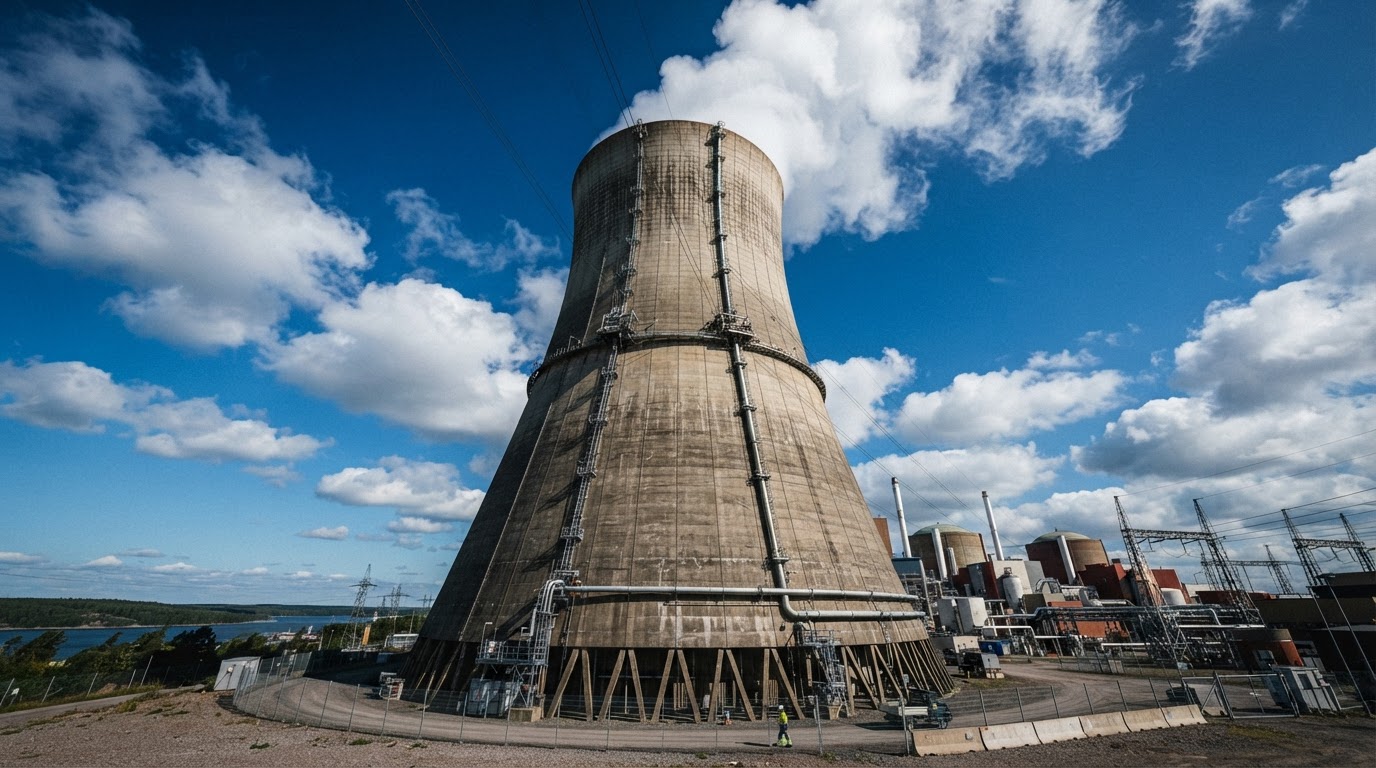
The agreements span existing nuclear plants, planned life extensions, and next-generation small modular reactors (SMRs), signaling that nuclear energy is becoming a serious part of the digital infrastructure power supply conversation.
Meta — Constellation Energy
On June 3, 2026, Meta announced a 20-year power purchase agreement with Constellation Energy to purchase 1.1 gigawatts of nuclear energy from the Clinton Clean Energy Center in Illinois. The deal represents one of the largest nuclear PPAs ever signed by a technology company and will help power Meta's growing data center operations.
Amazon — Talen Energy
Amazon expanded its existing power purchase agreement with Talen Energy to 1.9 gigawatts through 2042, with options to extend. The arrangement supports Amazon's plan to invest $20 billion in Amazon Web Services facilities in Pennsylvania, including a data center campus adjacent to Talen's Sushane nuclear plant. Amazon had previously invested $650 million in a data center campus next to the Susquehanna nuclear power plant.
Microsoft — Three Mile Island
Microsoft committed to a 20-year, 835-megawatt power purchase agreement to support the restart of a reactor at Three Mile Island in Pennsylvania. The full output will be purchased by Microsoft to meet the needs of their data centers in the region. The deal represents a landmark in the effort to bring retired nuclear capacity back online to serve growing AI demand.
Alphabet — Kairos Power and TVA
Alphabet signed what appears to be the first corporate agreement to develop a fleet of small modular reactors in the United States, ordering up to 500 megawatts from Kairos Power. The company also signed a PPA with the Tennessee Valley Authority (TVA) featuring a Generation IV reactor — the first U.S. utility power purchase agreement to feature advanced nuclear technology. The electricity will power Google's data centers in Montgomery County, Tennessee, and Jackson County, Alabama.
Implications for Communities and Policy
The volume of nuclear agreements suggests that nuclear energy — including both existing plant life extensions and next-generation SMR technology — is becoming a central pillar of the digital infrastructure power strategy. For communities near proposed nuclear or SMR sites, data center-driven nuclear projects will raise their own questions around safety, permitting, water use, and community engagement.
The trend also highlights the interconnected nature of digital infrastructure development: data center projects increasingly require not just land and fiber, but entirely new generation assets with their own permitting and community engagement processes. ADIC supports early, transparent communication about any new generation technology proposed to serve digital infrastructure.