The world's largest technology companies continued their unprecedented pace of renewable energy procurement in the first half of 2026, signing power purchase agreements (PPAs) for wind, solar, and battery storage projects across the United States. The agreements are driving billions of dollars in new clean energy investment and accelerating the transition of the American power grid.
Hyperscale technology companies are now among the largest corporate purchasers of renewable energy in the world. Their commitments have become a major driver of new renewable energy development, creating jobs and investment in rural communities across the country.
Scale of Procurement
The cumulative renewable energy procurement by major hyperscalers now represents tens of gigawatts of contracted capacity. In 2026 alone, multiple gigawatts of new PPAs have been announced, spanning solar, onshore wind, offshore wind, and battery storage projects.
These agreements typically take the form of long-term contracts — often 15 to 20 years — that provide renewable energy developers with the revenue certainty needed to finance new projects. Without these corporate PPAs, many renewable energy projects would not be built.
Beyond Carbon-Free: Reliability Matters
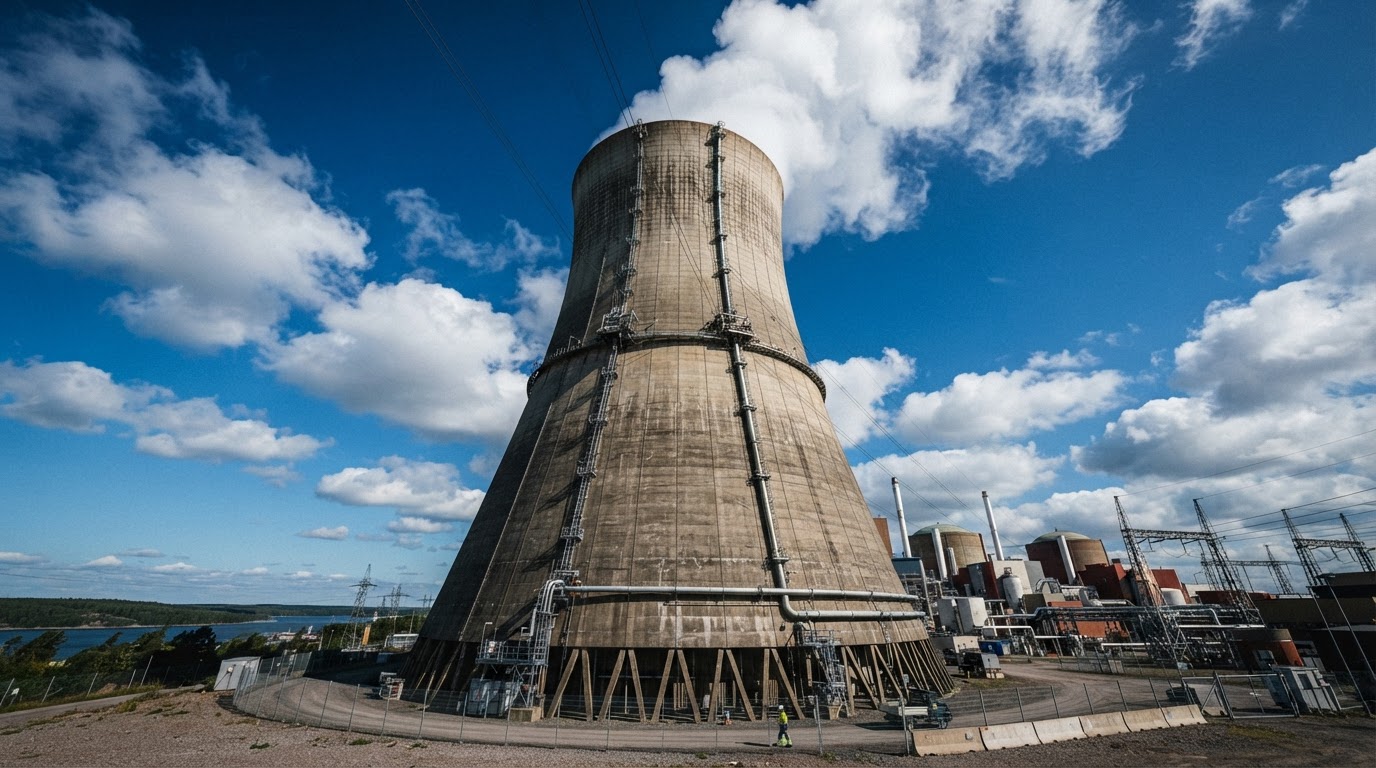
While renewable energy procurement remains a priority, hyperscalers are increasingly recognizing that intermittent renewable sources alone cannot reliably power 24/7 data center operations at the scale required. This has driven the parallel push toward nuclear energy, battery storage, and hybrid energy strategies that combine renewable generation with firm, dispatchable power.
ADIC supports an "all of the above" energy strategy for digital infrastructure. The organization does not advocate for any single energy source but instead emphasizes that America needs reliable, affordable, scalable, and responsible energy infrastructure to power its digital economy. Renewable energy, nuclear energy, natural gas, energy storage, and grid modernization all have roles to play.
Economic Benefits in Rural Communities
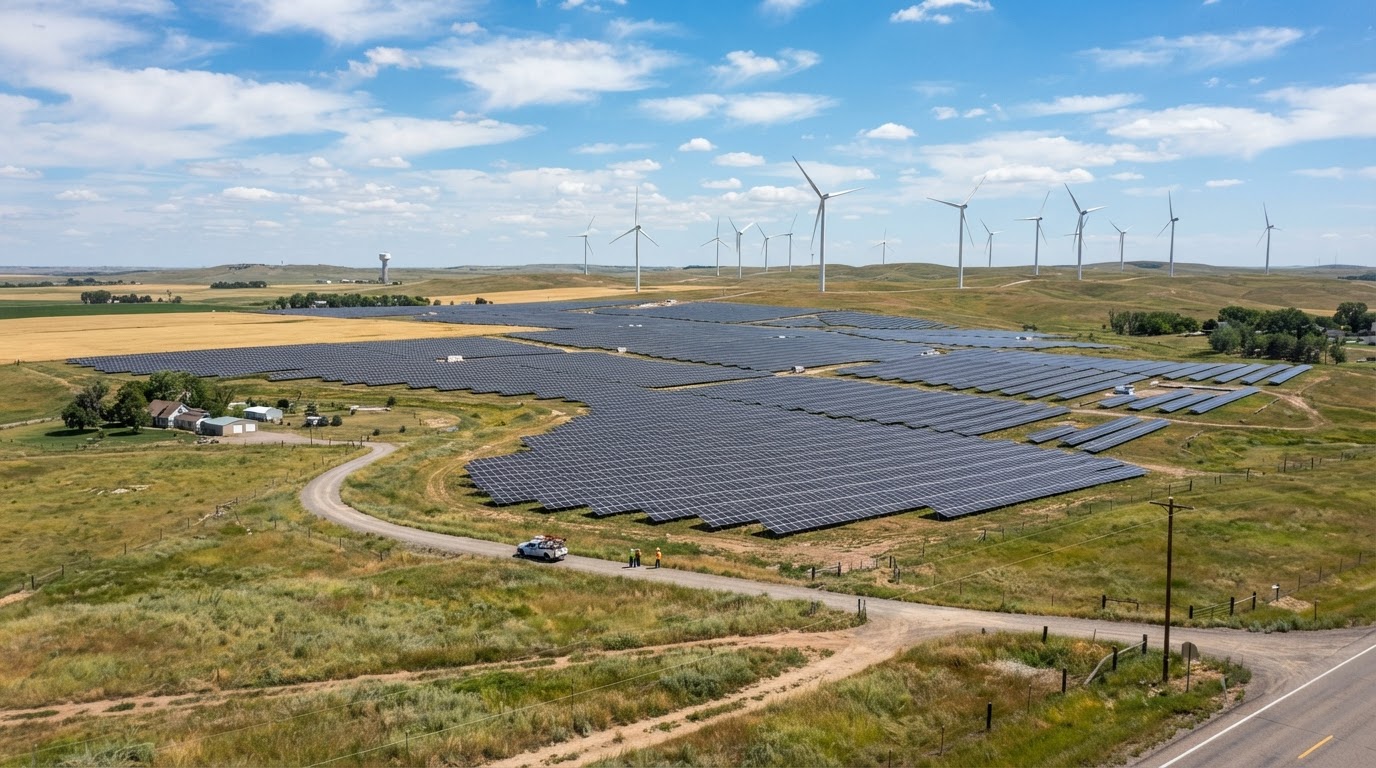
Renewable energy projects driven by data center demand are creating significant economic benefits in rural communities. Wind and solar farms generate lease payments for landowners, construction jobs, and ongoing operations employment. Many projects also contribute property tax revenue to rural counties.
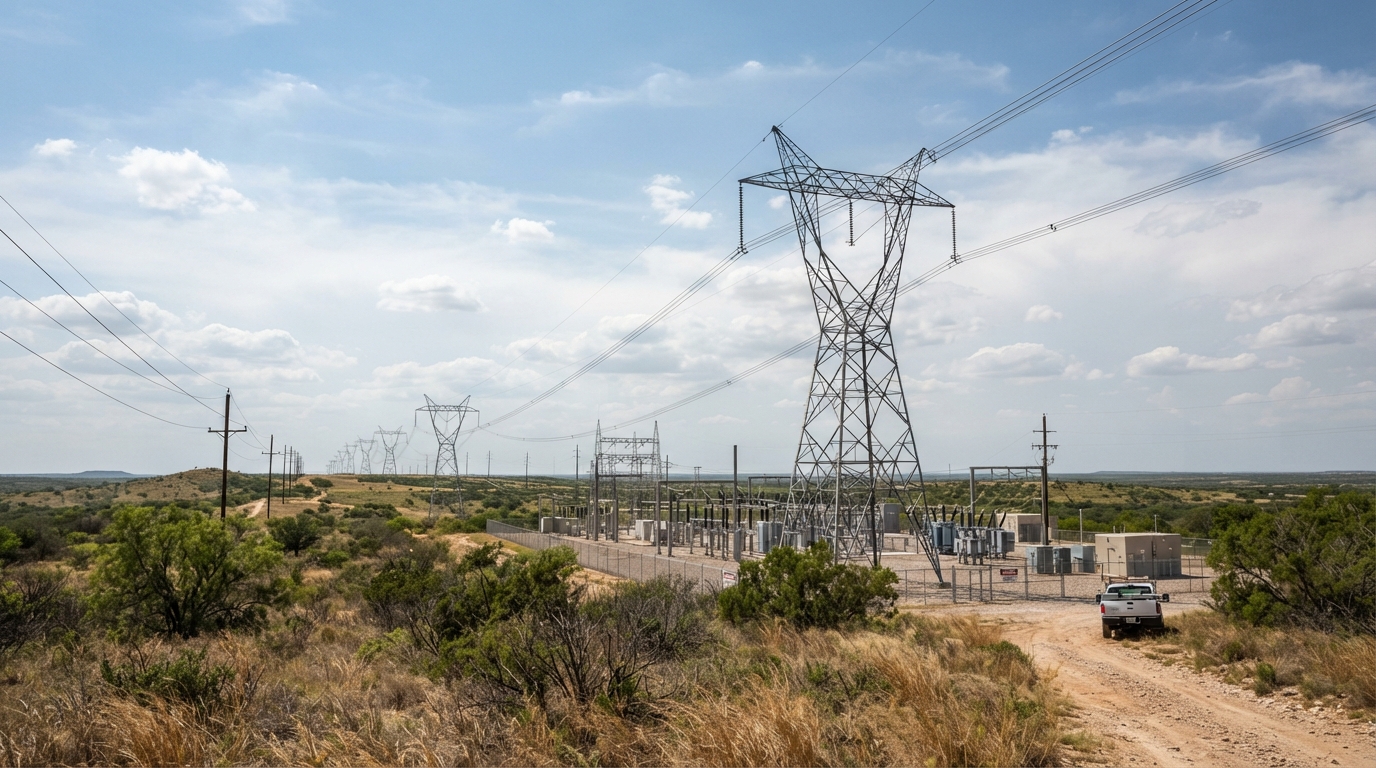
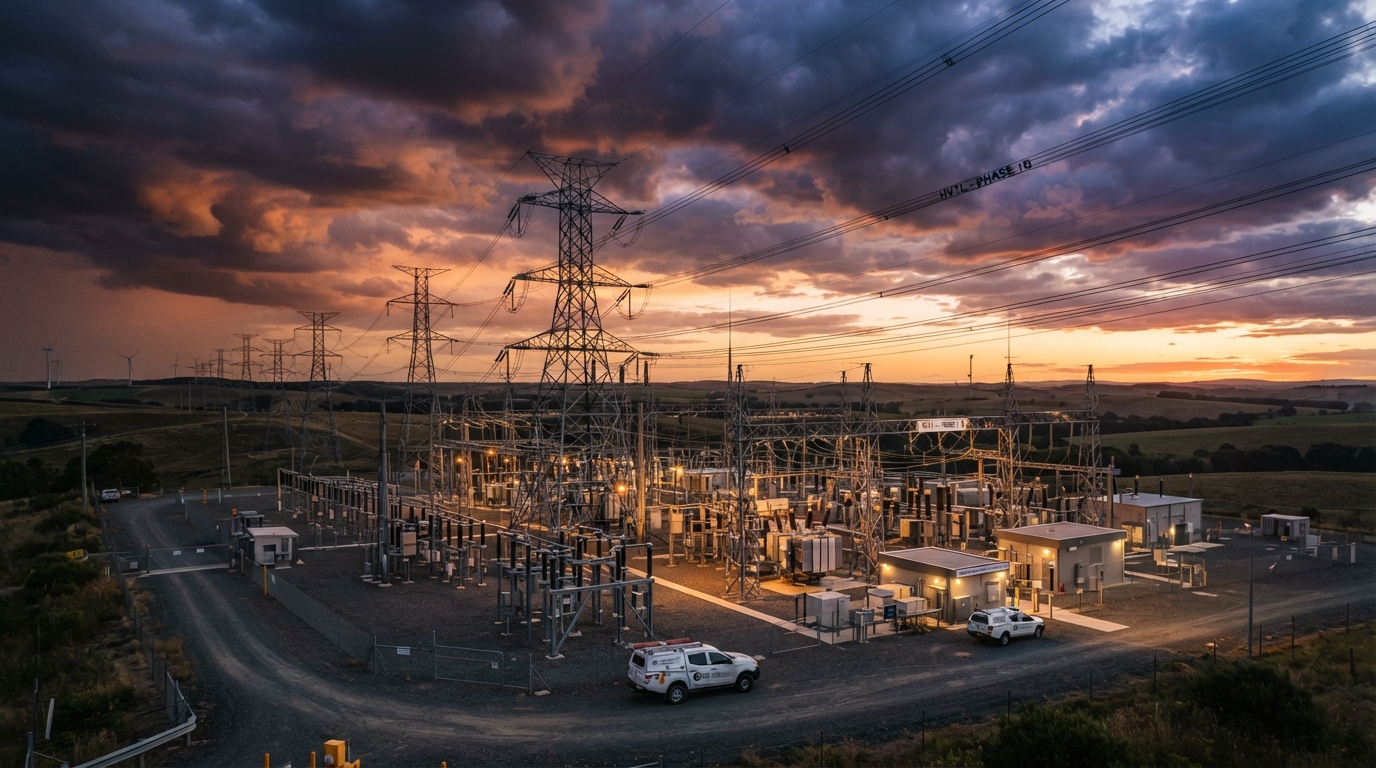
The intersection of data center demand and renewable energy development represents one of the most significant economic development opportunities for rural America in decades. ADIC encourages policymakers to recognize and support this opportunity while ensuring that development proceeds responsibly.