Electric utilities and grid operators across the United States are accelerating transmission infrastructure investment to accommodate the rapidly growing power demands of data center development. Billions of dollars in new transmission projects have been announced or approved in 2026, reflecting the scale of infrastructure expansion needed to support America's digital economy.
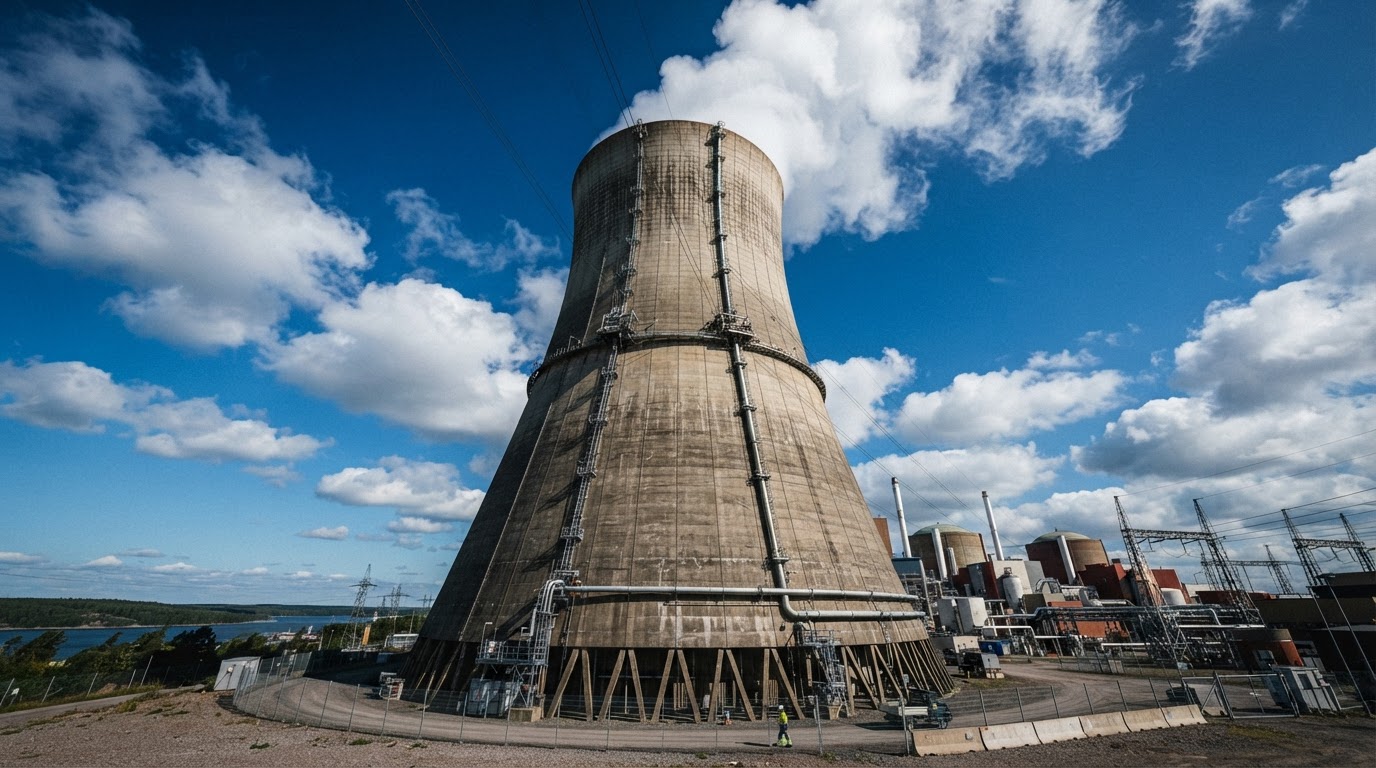
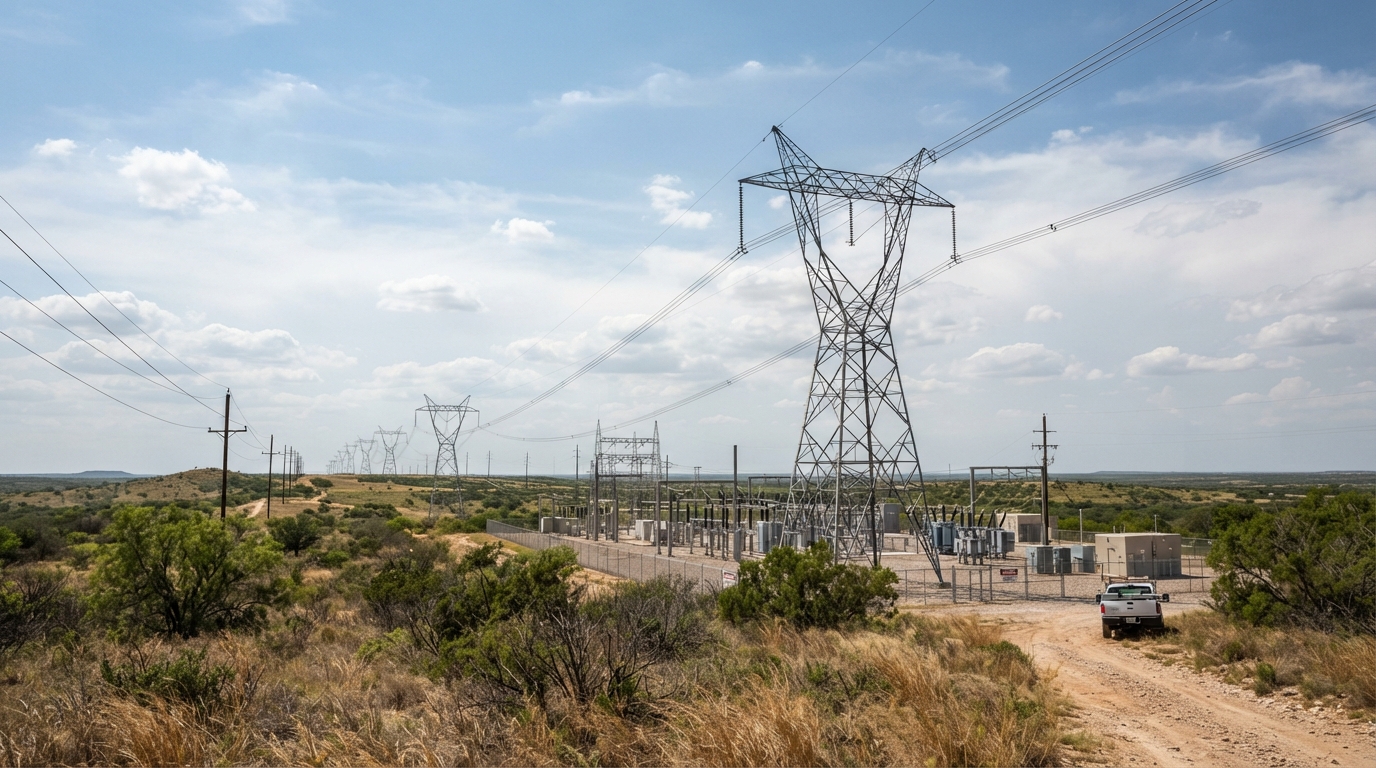
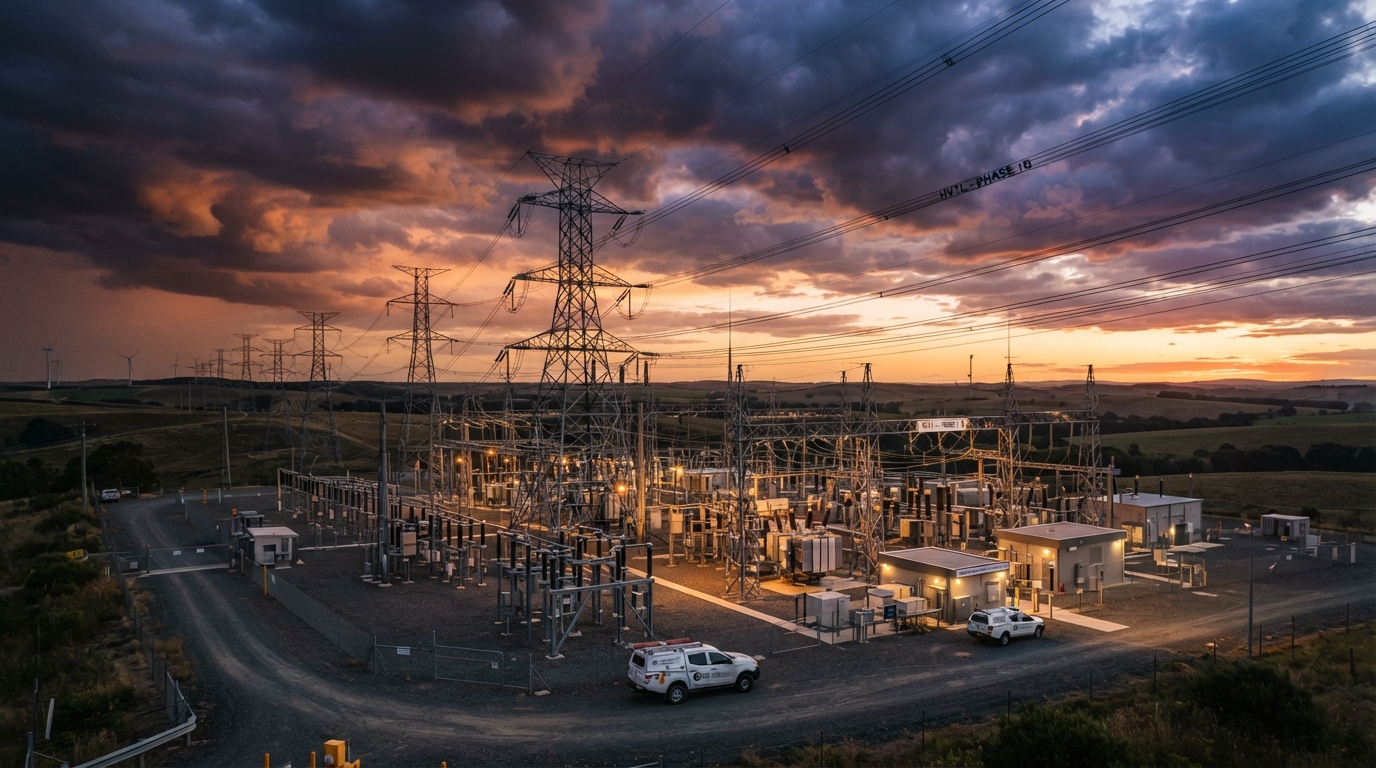
The transmission buildout is one of the most significant infrastructure investments in a generation. In several regions, new high-voltage transmission lines, substations, and grid interconnection facilities are being planned and constructed specifically to serve data center load growth — often with cost-allocation frameworks designed to ensure that the customers driving the demand bear the infrastructure costs.
Regional Transmission Expansion
In PJM Interconnection — the grid operator serving the Mid-Atlantic region including Northern Virginia, the world's largest data center market — transmission planning has been significantly accelerated to address data center-driven load growth. PJM has approved billions in transmission upgrades and is working with member utilities to ensure adequate grid capacity for projected demand.
In ERCOT, the Texas grid operator, transmission planning is being restructured to accommodate large-load interconnection more efficiently. The Public Utility Commission of Texas has approved a new large-load evaluation process to help the grid operator distinguish credible demand from speculative projects.
In the Southeast, utilities including Duke Energy, Southern Company, and the Tennessee Valley Authority are investing in new transmission infrastructure to serve data center campuses in Georgia, North Carolina, Tennessee, and other states experiencing significant development.
Cost Allocation and Ratepayer Protection
A central question in transmission planning is who pays. Historically, transmission costs have been socialized across all ratepayers in a utility's territory. However, as data center loads grow to represent a significant share of total demand, regulators and utilities are increasingly adopting cost-allocation frameworks that assign transmission costs to the customers driving the need.
The Trump administration's Ratepayer Protection Pledge, state-level frameworks in Pennsylvania, Virginia, and Wisconsin, and utility tariff reforms all reflect a growing consensus that large digital infrastructure loads should pay for the infrastructure they require. ADIC supports this approach as essential to maintaining both ratepayer protection and political support for continued development.
A National Infrastructure Buildout
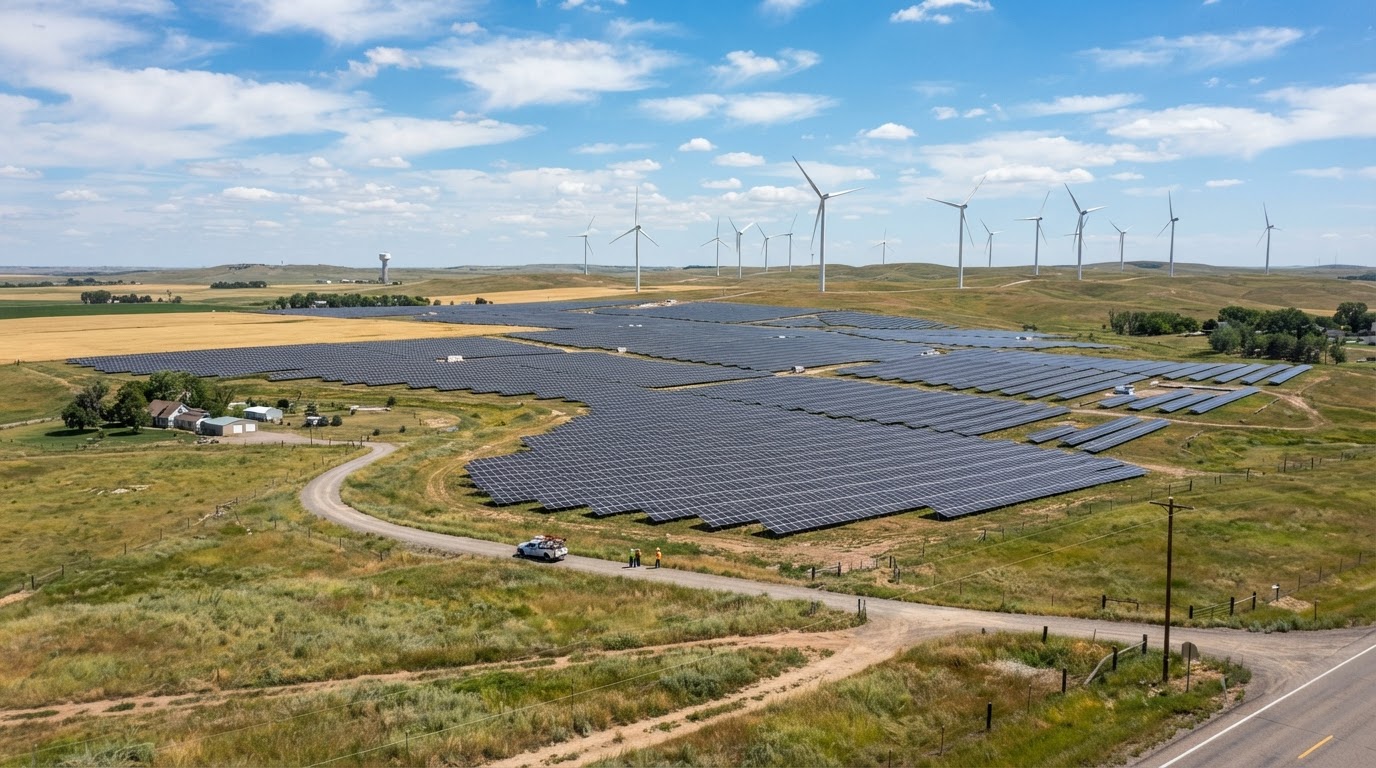
The transmission investment underway represents one dimension of a broader national infrastructure buildout that includes new generation, fiber networks, water systems, and workforce development. ADIC emphasizes that data center development cannot be viewed in isolation — it requires coordinated investment across the entire infrastructure ecosystem.
The scale of this investment also represents a significant economic opportunity. Transmission construction creates high-paying jobs, supports domestic manufacturing of electrical equipment, and strengthens the resilience of the American electric grid for all users — not just data centers.